
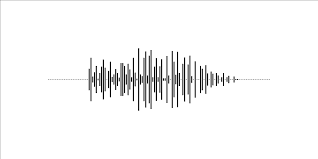
Digitization is the process of taking analog information and transforming it into something that can be read by a machine. Once it’s transformed, the information is considered digital. In this post, we will explore the digitization process with both text and sound.

Digitization of Text
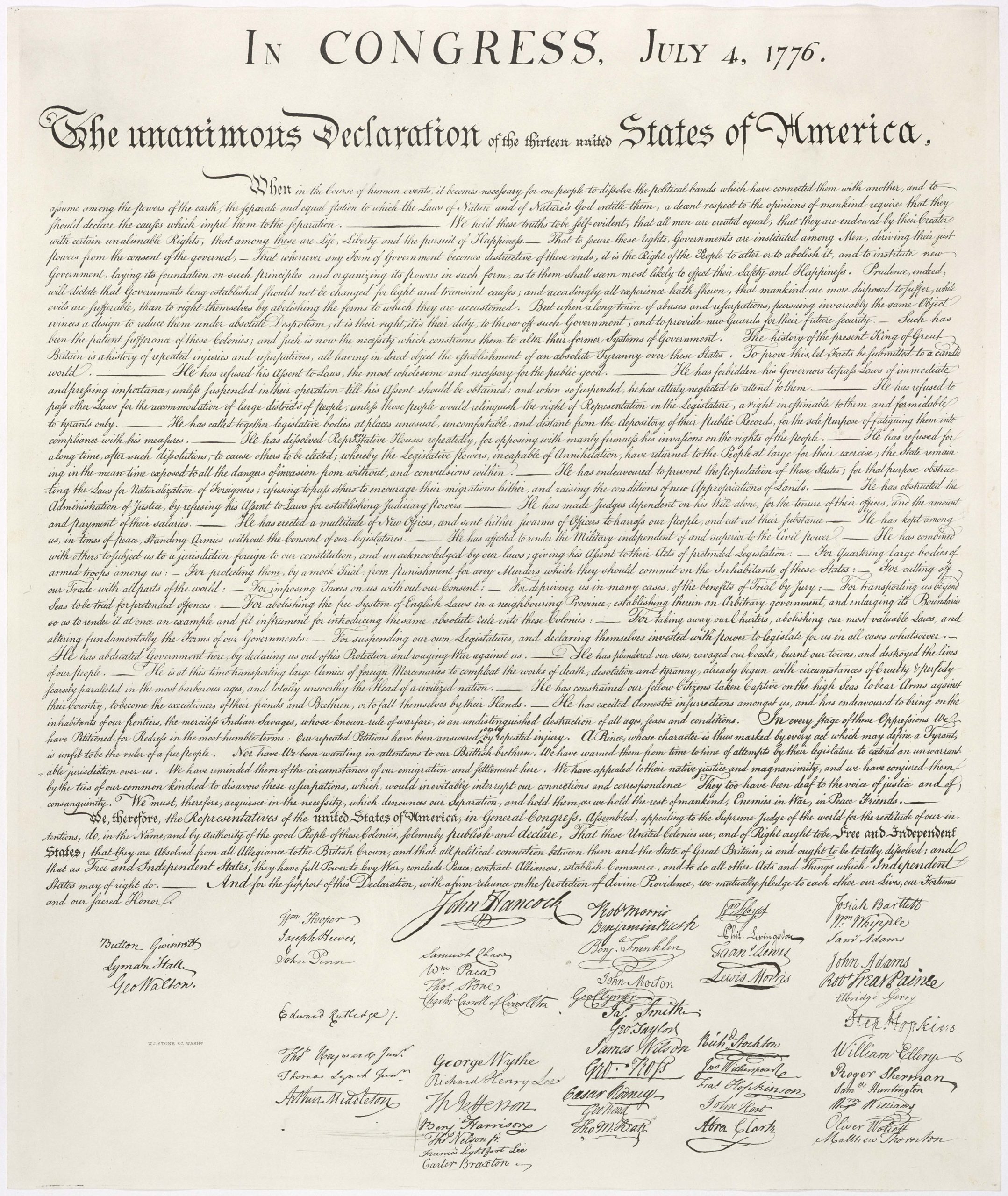
To digitize text, we must start with the physical piece. To start, let’s think of the Declaration of Independence. This is a handwritten document, handwritten on parchment with ink in 1776.
If we want to digitize this, we must either scan it or type it directly into a Word document. In this process, the information is converted into binary (1s and 0s).
There are some tradeoffs in this process. Let’s talk about them:
Positives of digitization:
– You don’t lose the original copy. Since it’s in a museum, this document will always be protected in its original form. Therefore, we don’t lose anything in this process when we consider the original document itself.
– Scanning this document makes it more available for access worldwide. In this day and age, you don’t have to be physically with the original copy of the Declaration of Independence to see it. Although the digital representation is different, it is still vastly more accessible when it becomes digitized.
Negatives of Digitization:
– There can be mistakes in the process. As we’ve seen in modern media today, things can slowly change over time as they are digitized. This reminds me of a story I read in another class, Gender Studies. We discussed Soujourner Truth’s famous speech, “Aint I a woman?”. Over time, the wording of this speech has been changed as it’s moved from its physical representation (the speech itself) to its digitization (copies of the script of the speech).
The image to the right shows a digitization of the Declaration of Independence.
Digitization of Sound
Next, we are gonna talk about the digitization process of sounds. To do this, we are going to think of our favorite song (mine at the moment is Althea by the Grateful Dead, but it changes often).
A song is made through continuous sound waves, which change depending on the intended notes. In the recording of a song, a recording system takes a “photo” of the sound wave at a very fast pace. Think of the tune of the song, and imagine how many photos must be taken to capture it accurately. The more “photos” this system takes, the more accurate the digitization is to its original form.
These “photos” are then assigned a numerical value. These values can then be transformed into binary, which allows for the song to be digitized. Now, we can listen to Althea wherever and whenever we please.
Once again, there are some tradeoffs in this process. Let’s discuss them:
Positives of Digitization:
– When a song is digitized, we can listen to it from wherever we want in the world. This helps us share the things we love with others. We can also think of the digitization of sounds through phone calls. We can talk with people all over the world because of this process.
Negatives of Digitization:
– When we digitize sounds, we fight a constant battle of file size and quality. The higher the quality of the sound is, the larger the file is. This means that we can’t have as high-quality sound as we could lower-quality sound.
The image on the left shows the Grateful Dead album that contains the song Althea. It’s not directly related to the digitization of sound, but I thought it would be cool to share.
How does it work?
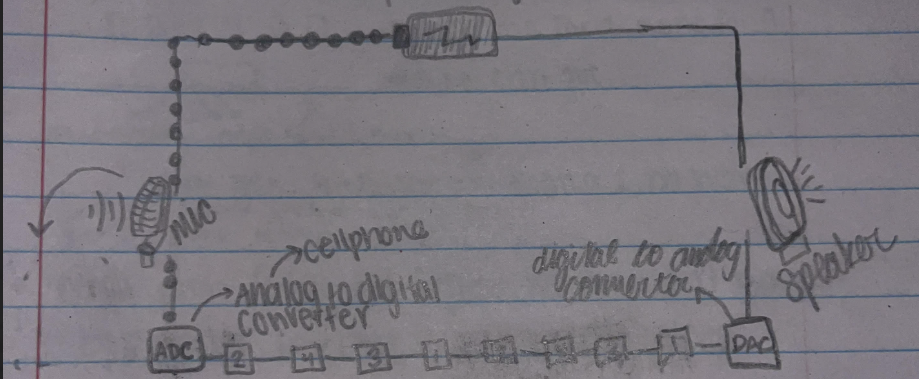
The image above shows some notes I took on the more scientific breakdown of this process. We start at the top with the battery. This battery sends electrons to the microphone. The sound goes into the microphone, and the electrons come out of it according to the sound (the size of the spaces between them changes). Then the electrons go through the ADC (analog-to-digital converter). From here, we can see the series of assigned numbers in the small boxes at the bottom. Then these boxes go through the digital-to-analog converter so they can make sound when they come out of the speaker.
Thank you for reading this post! I hope it helped you understand the digitization process of text and sound, and the tradeoffs in this process. Stay tuned for more posts in the future.