
It can be hard to explain what “digital” really means without using examples, so I’ll walk through how I’ve come to understand it.
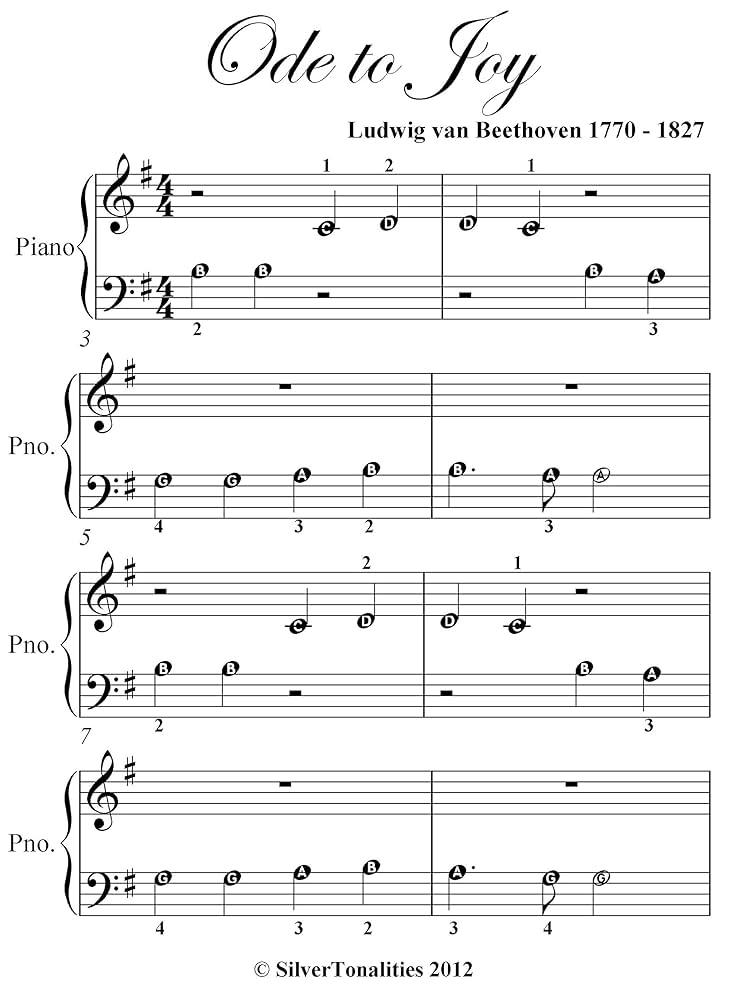
At a basic level, a digital system uses a finite set of symbols or values and makes it possible to separate the signal from the noise. This means it simplifies information into a structured form. Music is a helpful example. Sheet music can be thought of as digital because it represents sound using a limited set of symbols, like notes and rests. These symbols do not capture every detail of sound, but instead turn it into something organized and readable.
I think this example stuck with me because I hated piano lessons as a kid. A piano seems digital since it has a fixed number of keys, but it also includes analog elements. The way a note is played can vary in pressure, timing, and use of the pedal, which creates continuous differences in sound. Live performance is more clearly analog because it exists as continuous sound waves in the air. Even when two performances follow the same sheet music, they will always vary because the sound itself is not limited to fixed steps.
This helped me realize that the same piece of music can exist in both digital and analog forms. The written music is digital, while the sound we hear is analog. Understanding this makes the idea of digital feel much more concrete.

Another important aspect of digital media is its ability to remove “noise.” In this context, noise refers to anything that interferes with or distracts from the signal. By reducing this noise, digital systems make it easier for a message to be clearly shared and understood.
To understand this, I think about the development of communication technologies like the telegraph and how phone calls have improved over time. Even in my own lifetime, call quality has become noticeably clearer and more reliable.
But how exactly is this noise removed? I will explore that in my next few posts!